Home essentials
Prioritize refrigeration, selected lighting and necessary household equipment.

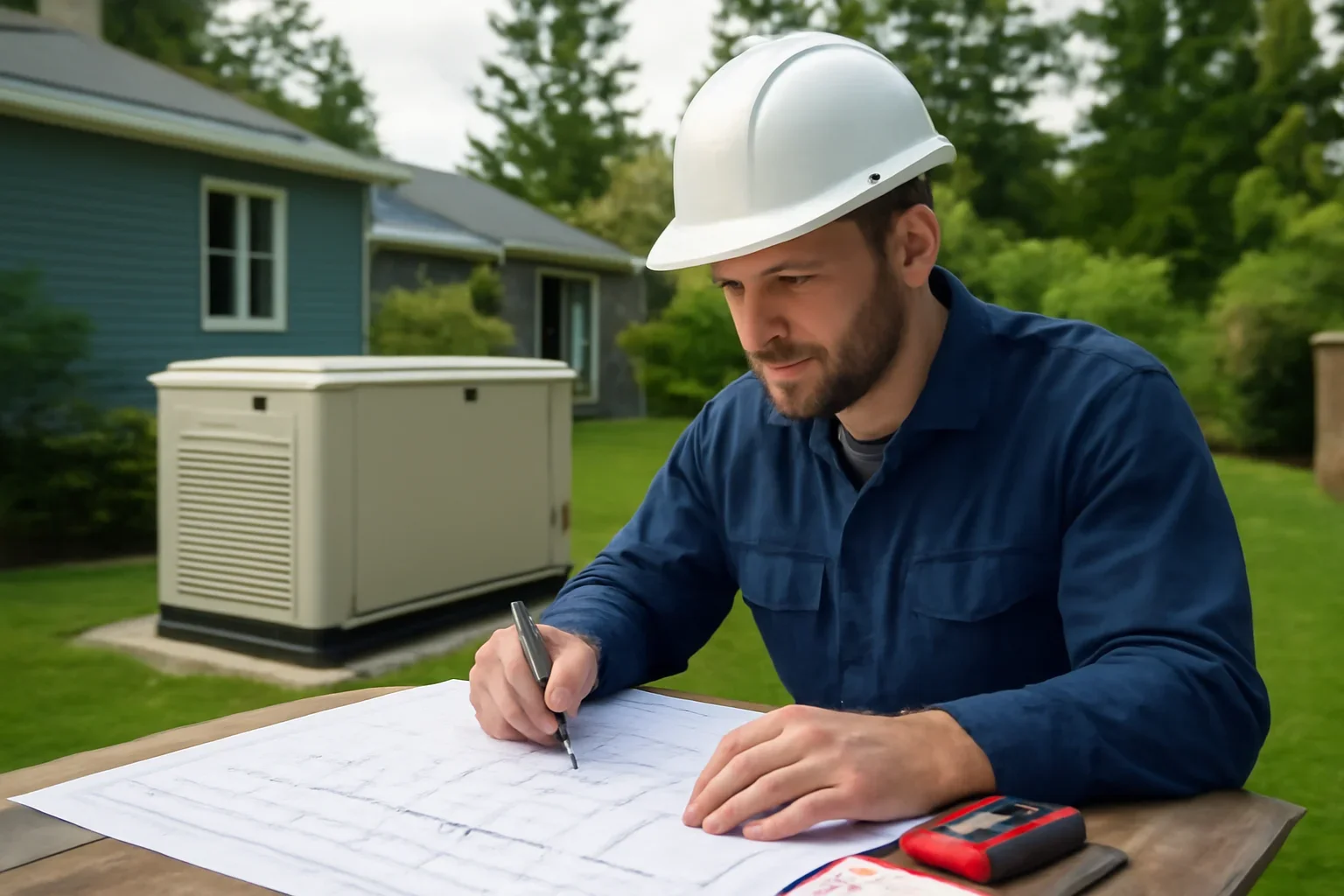
Victory Electric helps Sooke homeowners, property representatives and businesses plan generator connections around essential electrical loads, generator output, transfer equipment, panel configuration, equipment location and normal outage priorities.
A generator should be selected around the loads that must operate during an outage. Refrigeration, heating equipment, pumps, lighting, communications and business systems can have different operating and starting requirements.
Generator planning should start with the property's outage needs, not with a generator model. Identifying essential loads helps define the required output, transfer arrangement and whether loads can be managed or operated in stages.
Prioritize refrigeration, selected lighting and necessary household equipment.
Include starting requirements for pumps, motors and other essential loads.
Review heating controls, communications and other critical building systems.
Identify the equipment required for essential business operations during an outage.

Generator output, transfer equipment and load-management decisions should be based on the circuits and equipment that need to operate during an outage.
The final scope depends on the property, generator and approved electrical plan. These are common areas reviewed before the connection and installation are defined.
Identify the circuits, equipment and starting loads that should receive power during an outage.
Coordinate generator output, transfer equipment and panel configuration with the selected system.
Plan the electrical connection, circuit selection, protection, controls and required equipment locations.
Verify the approved setup, labels, transfer operation and normal owner procedures after completion.
Generator sizing considers normal operating demand, equipment starting requirements and whether loads can be managed or sequenced. A system intended to support selected essential circuits may have different requirements from one intended to support most of a property.
A portable generator requires an approved transfer or interlock arrangement and a properly planned electrical connection. An improvised connection can create serious risks for occupants, equipment and utility workers.
Refrigeration, lighting, controls and other equipment create the base demand during an outage.
Pumps, compressors and other motors may require more power while starting than during normal operation.
Some equipment may be operated at different times rather than all at once.
Planned pumps, heating changes, additions or business equipment can affect generator planning.
Some Sooke properties include longer electrical routes, detached structures, pumps or equipment located away from the main panel. The project should account for the actual generator location, panel arrangement and equipment being supported.
Electrical routing should be coordinated with the approved equipment location and applicable site requirements.
Garages, workshops, pumps and other separate loads may require additional review before they are included.
Where applicable, electrical work should be coordinated with the contractor responsible for the fuel system and generator setup.
An estimate becomes more useful when the generator, essential loads, transfer equipment, panel configuration and proposed equipment location are understood.
| Installation factor | Why it matters | Useful information to provide |
|---|---|---|
| Generator type and output | Portable and permanently installed systems can require different transfer equipment, controls and connection methods. | Generator model, rated output and manufacturer information. |
| Essential-load scope | The number and type of circuits being supported affect sizing, panel work and transfer planning. | A list of required circuits, appliances, pumps and equipment. |
| Starting loads | Motors, compressors and pumps may have higher starting demand than normal operating demand. | Equipment model information and electrical ratings. |
| Transfer equipment | The selected transfer or interlock arrangement affects equipment requirements and panel work. | Safe exterior photos of the panel and circuit directory. |
| Generator location and routing | Distance, finished surfaces, outdoor routing and building layout can affect materials and installation access. | Photos showing the panel, proposed generator area and route. |
| Permits and coordination | Electrical permits, inspections, equipment delivery and coordination with other contractors can affect scheduling. | Property type, contractor contacts and known deadlines. |
The sequence can vary based on generator type, property layout, transfer equipment and contractor coordination, but the main planning stages remain consistent.
Send the Sooke address, essential-load list, panel photos, generator information and proposed equipment location.
Assess operating demand, starting requirements, panel configuration and the proposed connection method.
Confirm generator equipment, transfer arrangement, selected circuits, routing, permits and contractor responsibilities.
Complete the approved electrical work, test the system and explain normal transfer and operating procedures.

Confirm which circuits must operate, which loads can be managed and which equipment has higher starting requirements before the final generator and transfer scope is approved.
Generator planning may uncover panel, circuit, wiring or future-load considerations. Reviewing related electrical needs can create a more complete project scope.
These answers provide general planning information. The final electrical scope depends on the property, generator, connected loads and selected transfer equipment.
Victory Electric can review the project information, identify the appropriate assessment path and explain what is needed to define a practical generator connection and transfer-equipment scope.
