Repeated protective-device operation
A breaker or fuse that operates repeatedly may indicate overload or a fault.

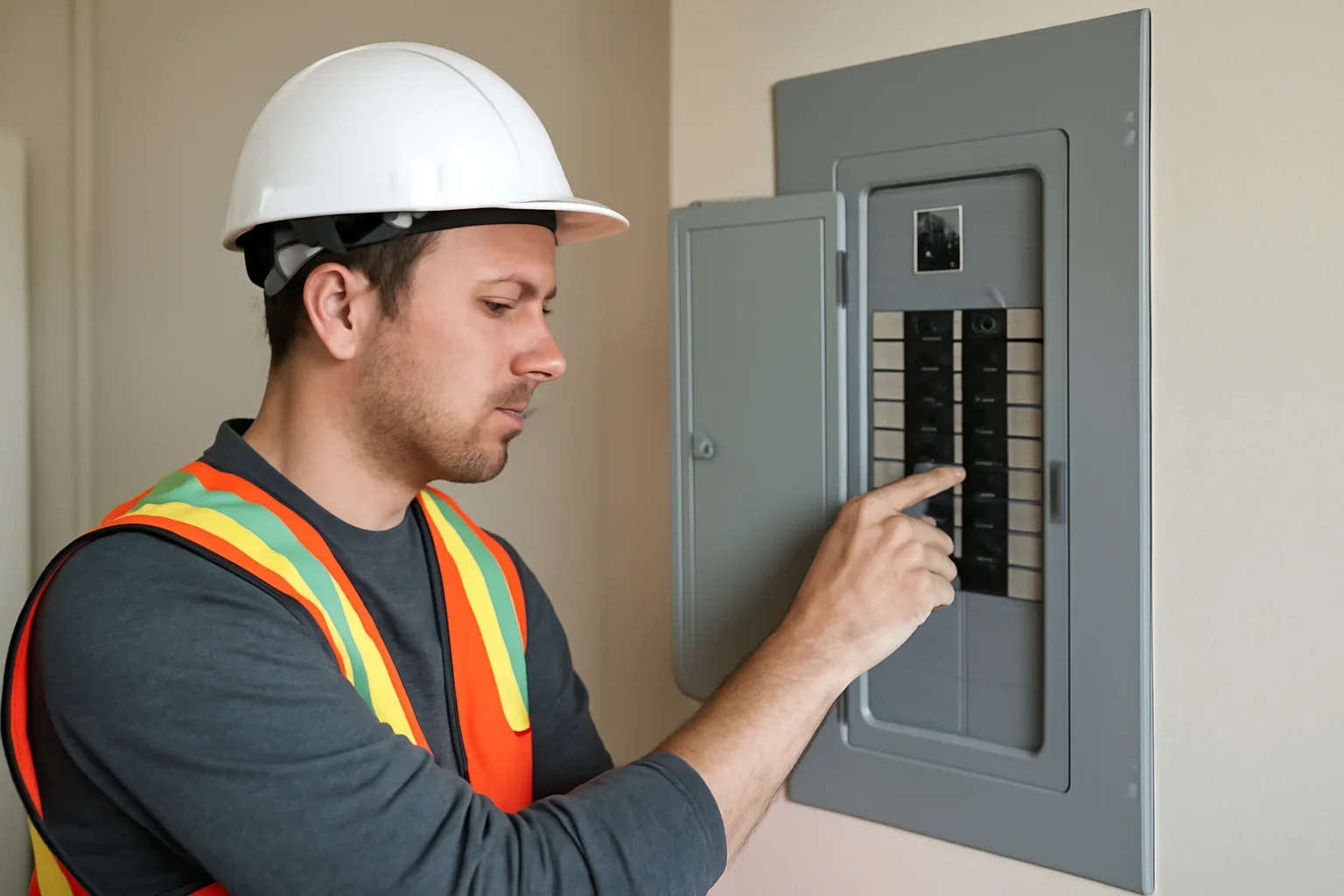
Common causes, warning signs and when to call an electrician. This safety-first guide explains the planning factors, questions and professional next steps without turning general information into do-it-yourself electrical instructions.
The useful next step is to match the question to the actual electrical system, equipment, property conditions and decision the owner needs to make.
Use these factors to organize the decision and identify which details still need professional confirmation.
A breaker or fuse that operates repeatedly may indicate overload or a fault.
Stop using the affected area or equipment and keep clear.
Document when it occurs and which devices or rooms are affected.
Move away from the hazard and seek urgent help when there is immediate danger.

Keep clear of damaged equipment, arcing, smoke, heat, water exposure or shock risk. General information cannot make an unsafe area safe.
| Area | What it means | Practical next step |
|---|---|---|
| Immediate danger | Smoke, fire, arcing, shock risk or damaged service equipment. | Leave the area and contact emergency services as appropriate. |
| Urgent electrical concern | Heat, odour, repeated tripping or significant power loss without immediate fire danger. | Keep the affected circuit or equipment off and request assessment. |
| Recurring symptom | Intermittent flicker, dead devices or nuisance operation. | Record the pattern and arrange troubleshooting. |
| Planning concern | Aging equipment, limited capacity or weather readiness. | Schedule an assessment before the next major load or event. |
The sequence helps prevent premature equipment purchases and keeps safety, capacity and approvals in the decision.
Do not touch damaged equipment or enter an unsafe area.
Do not keep resetting or reconnecting a system that operates protectively.
Note the affected area, timing and recent changes from a safe distance.
Emergency services handle immediate danger; electrician availability must be confirmed directly.
The matching service page explains scope, assessment details and project information for electrical repair and troubleshooting. Use it when the research is ready to become a project request.
Do not remove electrical covers, probe circuits, bypass protective devices, backfeed a building, or keep resetting equipment that is operating protectively. Use a qualified electrician for electrical diagnosis and installation.
No. The article organizes planning questions, but concealed conditions, capacity, equipment compatibility and the cause of a fault require site-specific review.
Move away from the hazard and contact emergency services as appropriate. Do not touch damaged equipment or attempt to investigate energized components.
Gather the property location, photos taken safely, panel information, equipment model details, drawings, known symptoms, future loads and preferred timing.
A single electrical change can affect panel capacity, future loads, permits or other equipment. Include related plans so the review is not limited to one device in isolation.
Share the property, photos, equipment, intended result and timing. Victory Electric can identify which information or assessment is needed before the scope is finalized.
