Structure
Type, location, identification and current use.

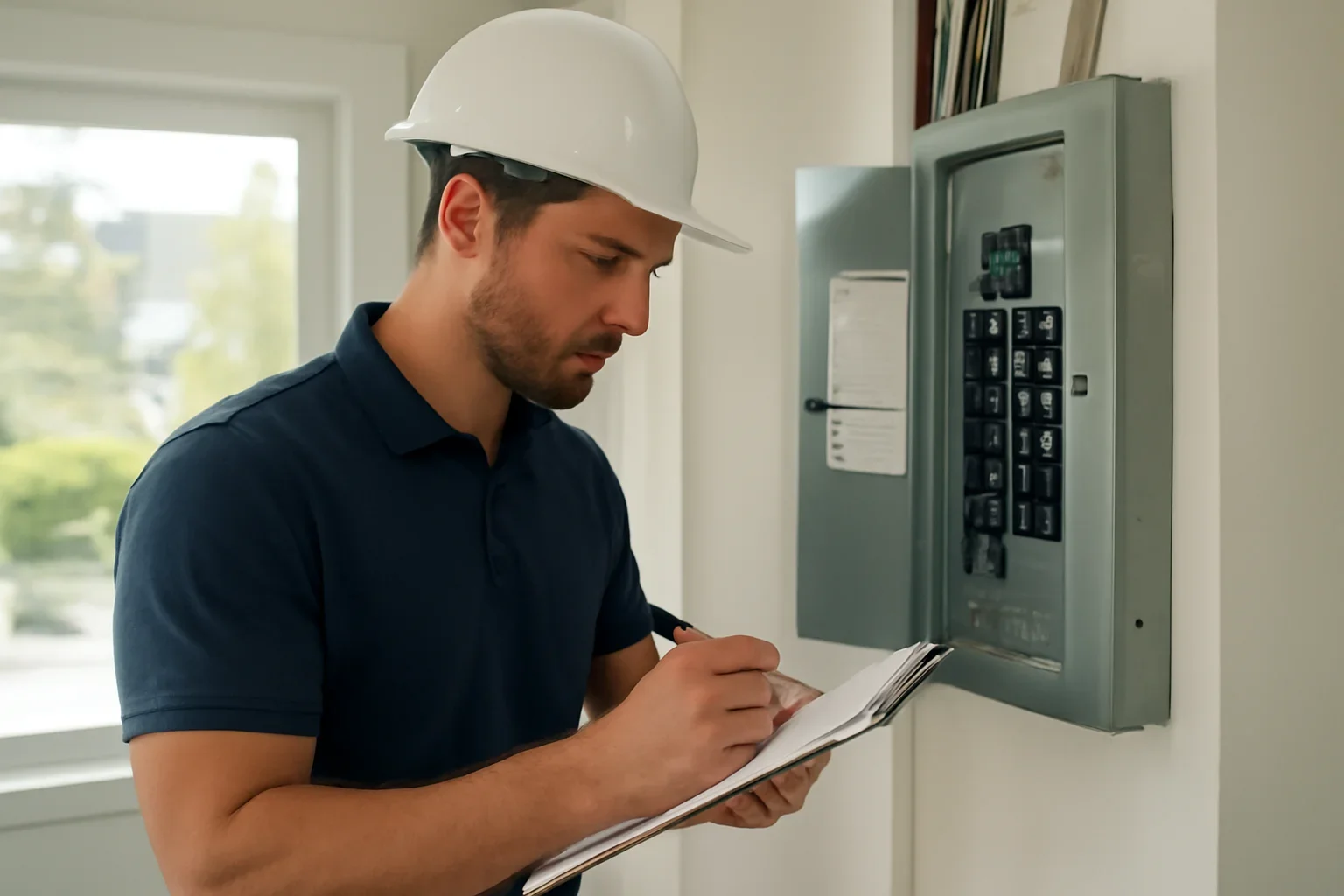
Plan an electrical assessment for a manufactured or factory-built structure where a Silver Label process may apply. The review begins with the structure, available records, alteration history, accessible electrical conditions and the authority or approval path connected to the property.
No single website answer can determine that. The applicable process depends on the structure, existing certification, past alterations, property records and the requirements connected to the specific situation.
Manufactured and factory-built structures can have different histories, certifications and alterations. The first review should establish what is known, what remains uncertain and which electrical conditions need direct assessment.
Type, location, identification and current use.
Existing labels, records, reports and permits.
Additions, renovations and electrical changes.
Assessment, correction, documentation or inspection.
The final scope depends on the structure, accessible conditions and applicable process. These are common areas to clarify during the initial review.
Clarify the structure, current use, alteration history and available documentation before determining the likely assessment path.
Review accessible electrical equipment and visible conditions that may affect safety, repair planning or documentation.
Organize required electrical corrections around access, parts, property conditions and the applicable inspection process.
Prepare the accessible work, labels, records and supporting information needed for the next approval or inspection stage.

Existing records should be compared with accessible electrical conditions and the current structure.
Similar structures can follow different assessment paths because certification records, additions, electrical changes and accessible conditions are not always the same.
Identify available labels, documentation and other records connected to the structure.
Record additions, renovations, service changes and other work completed after manufacture.
Review visible panels, wiring, devices, equipment and connection points.
Separate visible repair needs from items that require testing or further access.
Confirm which process, documentation and inspection steps apply to the property.
Organize documentation for completed corrections and the next review stage.
The exact process can vary, but it should begin by confirming the property information before repairs or inspection scheduling are assumed.
Gather structure identification, existing labels, reports and alteration information.
Assess accessible electrical equipment and compare it with the available information.
Identify repairs, testing, documentation and access that may be required.
Organize completed work and supporting information for the applicable next stage.
The structure type, records, alteration history and accessible electrical conditions can all affect the work required.
The structure’s construction type, identification and current use help frame the applicable review.
Existing labels, permits, reports and drawings can help establish what is already known.
Additions, renovations and electrical modifications may require closer review or correction.
Some electrical conditions are accessible during the first visit, while others may require additional work.

Clear records and safe photographs can help identify missing information before the property visit or inspection process is scheduled.
Complete information helps separate confirmed records from electrical conditions that still need direct inspection or testing.
| Project information | Why it matters | What to provide |
|---|---|---|
| Structure identification | The structure type and identifying information help establish the correct starting point. | Address, structure type and photographs of available identification. |
| Existing labels | Current labels or certification information may affect the required review. | Clear photographs showing the complete label and surrounding location. |
| Alteration history | Additions and electrical changes may affect the condition and documentation review. | Dates, descriptions, permits, invoices or previous reports where available. |
| Electrical panel | Panel type, service equipment and visible changes can shape the assessment. | Safe exterior photographs with all covers left in place. |
| Known concerns | Existing faults, damage or unusual electrical behaviour may require separate testing. | A clear description of symptoms, affected areas and when they occur. |
| Previous reports | Earlier inspection or electrical reports may identify unresolved conditions. | Complete reports, deficiency lists and correction records. |
| Reason for assessment | The required outcome can affect the records and coordination needed. | Explain the property transaction, alteration, approval or other project goal. |
| Project timing | Repair work, document collection and inspection scheduling may affect the timeline. | Known deadlines, access dates and other project dependencies. |
The process may change with the structure, deficiencies and applicable authority, but the core planning stages remain consistent.
Send the location, structure details, documents and known history.
Determine what can be assessed from records and what needs direct inspection.
Define accessible deficiencies, repair work and required documentation.
Organize completed work, records and access for the next stage.
The correct process depends on the structure, existing certification, alteration history and property-specific requirements.
Requirements depend on the structure, existing certification, alteration history and applicable process. These details should be confirmed before electrical work or inspection scheduling begins.
A preliminary electrical assessment can help identify visible issues, missing information and repair priorities. Concealed conditions or specific testing may require further review.
Timing varies with the assessment scope, required repairs, available documentation, access and inspection scheduling. It should be confirmed for the specific property.
Gather structure identification, photographs of existing labels, permits, previous reports, renovation records and information about electrical alterations.
Immediate hazards may require prompt attention, but broader compliance work should be coordinated around the applicable process so repairs and documentation support the intended result.
Structure type, records, alteration history, accessible conditions, testing needs, deficiencies, repair scope, travel, documentation and inspection coordination may affect the estimate.
No. An assessment can help identify conditions and prepare the electrical work, but final requirements and approval depend on the applicable process and completed review.
Review general information about approval stages, inspection preparation and project responsibilities.
Review inspection guidanceUnderstand how assessment scope, access, repairs, documentation and coordination can affect an estimate.
View pricing guidanceExplore the regional and community pages across the listed Greater Victoria service areas.
Explore service areasFind additional answers about inspections, repairs, capacity and project preparation.
Read electrical FAQsShare the property address, structure type, existing labels, previous reports, known electrical changes and the result you need. The information can be reviewed to identify the most useful assessment and coordination step.
